Isadora Duncan's Fatal Scarf
September 14, 1927
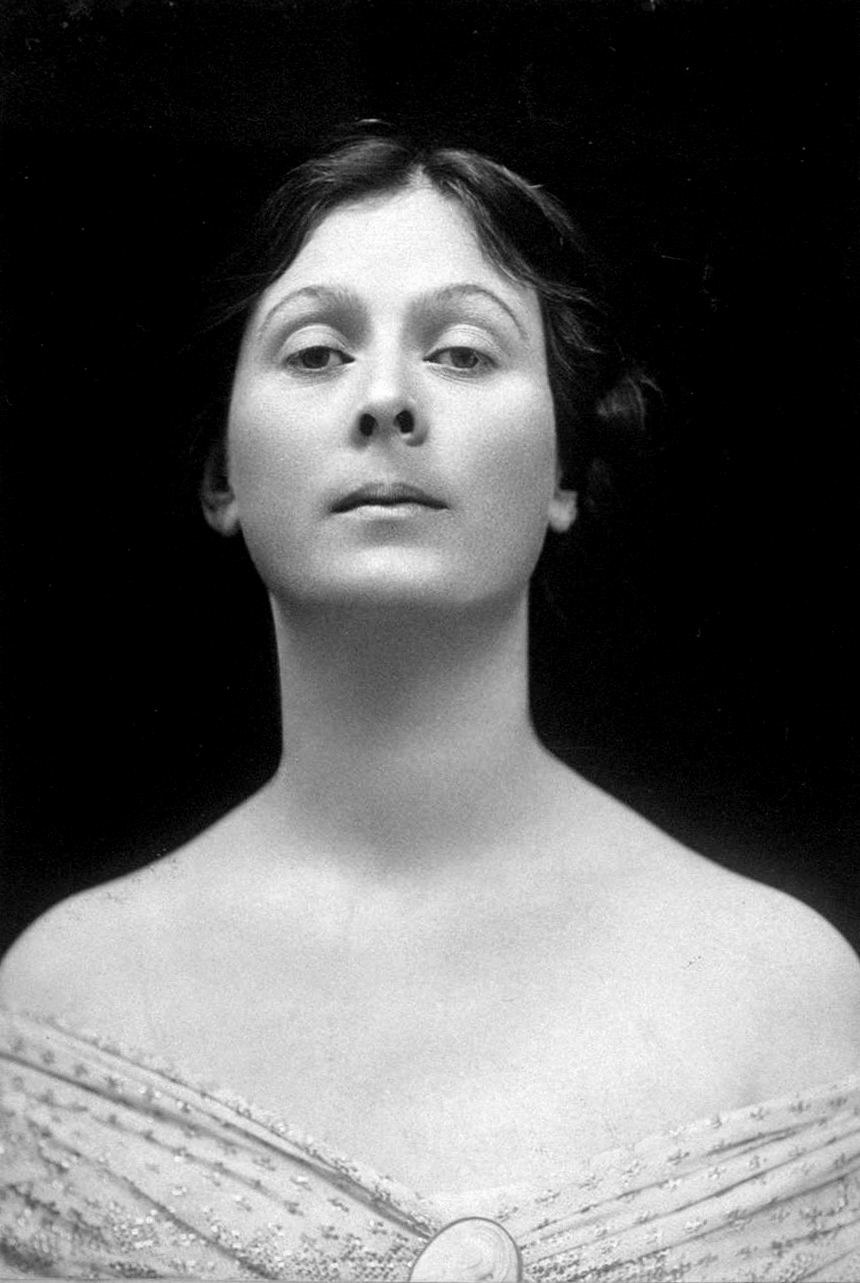
Isadora Duncan changed dance by throwing away the corset and the ballet shoe. She performed barefoot in flowing robes and scarves, and she lived as dramatically as she danced. On a September evening in 1927 in Nice, one of those scarves killed her, in an accident so strange it has been retold ever since.
The barefoot dancer
History.com describes Duncan as a free-spirited bohemian whose dances were improvised and emotional, performed barefoot in flowing togas and scarves rather than tutus and stiff shoes. Wikipedia says she was born in San Francisco; her birth date is often given as 1878, but a baptismal certificate found after her death records 26 May 1877. She moved to Europe as a young woman and became famous there.
A life of tragedy
Her life was full of loss, much of it connected with cars. The Los Angeles Times obituary of 1927 and History.com both say that in 1913 her two young children drowned in Paris when the car they were in went into the River Seine. History.com adds that Duncan herself was seriously injured in car accidents in 1913 and 1924. In 1921, the Times says, she went to Soviet Russia to open a dancing school in Moscow and married the young poet Sergei Yesenin.
The last ride
On the evening of 14 September 1927, Duncan went for a ride in an open car on the Promenade des Anglais in Nice. Wikipedia says the car was an Amilcar owned by a French-Italian mechanic, Benoît Falchetto. The Los Angeles Times report, filed from Nice that night, said a gust of wind blew her long scarf over the side of the car; it caught in one of the wheels and dragged her out into the road, and her neck was broken. History.com tells it the same way: the scarf blew into the well of the rear wheel, wound around the axle and pulled her from the car.
'I go to glory'
Duncan's famous last words are uncertain. Wikipedia reports that her friend Mary Desti, who was there, said Duncan called out 'Adieu, mes amis. Je vais à la gloire!' ('Goodbye, my friends. I go to glory!'). But it also notes that Desti later told the American novelist Glenway Wescott that the real words were 'Je vais à l'amour' ('I am off to love'), and that Desti had changed them to avoid suggesting a romance with the driver. We give both as reported.
Myth versus reality
Many retellings describe a red silk scarf; History.com mentions an enormous red scarf, while Wikipedia calls it a silk shawl. Some accounts say she was almost decapitated; Wikipedia notes these reports but the 1927 Los Angeles Times report says simply that her neck was broken. Gertrude Stein's cutting remark, 'Affectations can be dangerous', is quoted by both History.com and Wikipedia.
Aftermath
Wikipedia says Duncan was cremated and her ashes placed next to her children's at Père Lachaise Cemetery in Paris. Her influence on modern dance outlived the grim joke her death became. The barefoot, free style she championed helped open the way for the modern dance of the 20th century.
Further reading
- Los Angeles Times archive: the 1927 report of Isadora Duncan's death
- History.com: Dancer Isadora Duncan is killed in car accident