The Tanganyika Laughter Epidemic
January 30, 1962
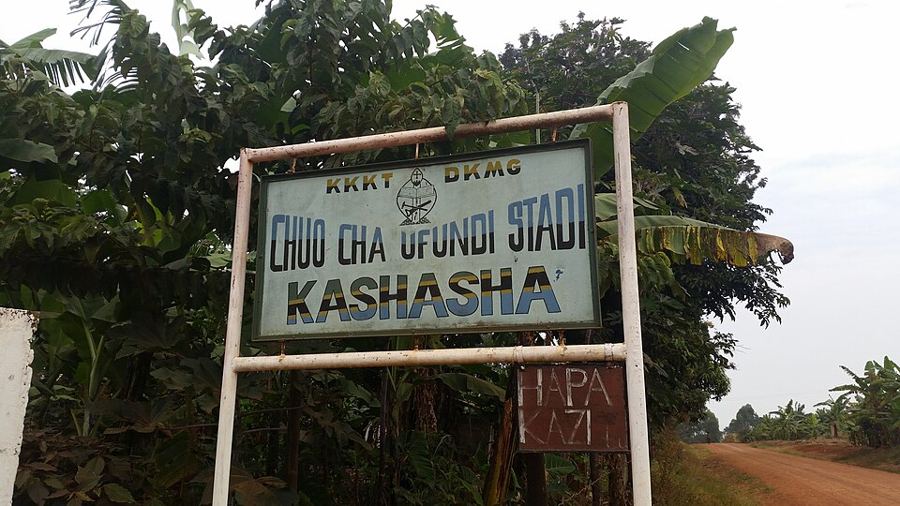
It sounds like a joke: an epidemic of laughter. But for the people of the Bukoba district of north-western Tanganyika (now Tanzania) in 1962, it was frightening. Attacks of laughing and crying spread from a girls' boarding school to other schools and villages, disrupting community life for months. It remains one of the best-known cases of what doctors now call mass psychogenic illness.
The original report
Almost everything known about the outbreak comes from a 1963 paper in the Central African Journal of Medicine by two local doctors, A. M. Rankin and P. J. Philip, titled 'An epidemic of laughing in the Bukoba district of Tanganyika'. It is indexed on PubMed, and a 2007 study by linguist Christian Hempelmann in the journal Humor quotes it at length and re-examines it. We rely on Rankin and Philip as quoted by Hempelmann.
Kashasha, January 1962
Rankin and Philip wrote that the disease began on 30 January 1962 at a mission-run girls' middle school in Kashasha village, about 25 miles from Bukoba, when three pupils began to act abnormally. By 18 March, when the school was forced to close, 95 of its 159 pupils had been affected. The girls were boarders aged 12 to 18. Hempelmann's summary of the report describes attacks of laughing and crying lasting from a few hours up to as long as 16 days, often followed by a respite and then a relapse, with restlessness but no clear physical symptoms.
The school reopened on 21 May, and the paper says 57 more pupils were affected before it closed again at the end of June.
Spreading to the villages
Pupils sent home seem to have carried it with them. Rankin and Philip described spread to other schools and villages, and Hempelmann's table lists outbreaks including Nshamba village and a girls' school on the outskirts of Bukoba. The doctors found no abnormal physical signs, normal laboratory tests and no toxin in the food, and they reported no deaths. Their paper says the epidemic disrupted community life for six months.
Myth versus reality
Popular retellings often say the 'laughter epidemic' lasted years, affected a thousand people, closed dozens of schools or even paralysed the whole country. Hempelmann's paper is largely about these exaggerations. He notes that some accounts claim it continued until June 1964, affected about 1,000 people and closed more than 14 schools, but stresses that the original report covers a shorter period, and that claims about the country being paralysed are overblown.
The other myth is that people were laughing because something was funny, or because laughter is contagious. Hempelmann argues the laughter had nothing to do with humour; it was one symptom, alongside crying and agitation, of a mass psychogenic illness. Rankin and Philip themselves concluded it was mass hysteria rather than an infection or poisoning.
Why it happened
Mass psychogenic illness tends to strike tight-knit groups under stress, and often starts in schools. Hempelmann describes the background of a country that had only just become independent from Britain, without claiming that politics caused the outbreak. What is clear is that it was real, frightening for those involved, and very different from the cheerful image its name suggests.
Further reading
- Hempelmann (2007), 'The laughter of the 1962 Tanganyika laughter epidemic', Humor
- PubMed: Rankin and Philip (1963)